Read Time: 11 min
A collision on Route 222 or Route 322 can upend your week in seconds. If you drive a recent Hyundai, such as a Tucson, Santa Fe, Palisade, or Elantra, the choices you make after the accident affect more than how the car looks. They decide whether its crash structure and safety systems will work as designed the next time you need them.
That’s why Hyundai certified collision repair matters. Today’s Hyundai bodies are built largely from advanced high-strength steels and carry a network of radar and camera sensors. Repair methods that worked on cars 20 years ago can quietly weaken that structure or leave driver-assistance systems misaligned, even when the finished car looks perfect.
This guide explains how modern Hyundai vehicles are built, why they call for specific repair methods, what a Hyundai-certified facility has to maintain, and what to ask before you sign a repair authorization.
TL;DR / Quick Summary
Modern Hyundai vehicles use high-strength steels and integrated safety sensors that need Hyundai’s repair procedures, the right equipment, and proper calibration to be restored safely.
Key Takeaways:
- Many recent Hyundai models use more than 50% advanced high-strength steel in the body structure.
- Hyundai’s procedures rule out heat-straightening structural high-strength steel; damaged parts are sectioned or replaced.
- Certified shops measure the structure against Hyundai’s published dimensions throughout the repair.
- Radar and cameras often need calibration after bumper, windshield, or structural repairs.
- In Pennsylvania, you choose your repair shop, and your insurer can’t require one as a condition of paying your claim.
How Modern Hyundai Vehicles Are Built
Hyundai Motor Group produces much of its own automotive steel through its affiliate Hyundai Steel, and recent Hyundai designs lean heavily on advanced high-strength steel (AHSS).
These steels let engineers build thinner, lighter pillars and rails that are stronger in a crash. The A- and B-pillars, rocker panels, roof rails, and front rails work together as a system, steering crash energy around the passenger cabin instead of through it.
The trade-off is that the same properties that make these steels strong make them unforgiving to repair. Hot-stamped boron steel parts reach tensile strengths around 1,500 MPa, several times stronger than the mild steel older cars used. That strength comes from a heat-treated microstructure, and anything that disturbs it changes how the part behaves in the next crash.
Why High-Strength Steel Changes the Repair Process
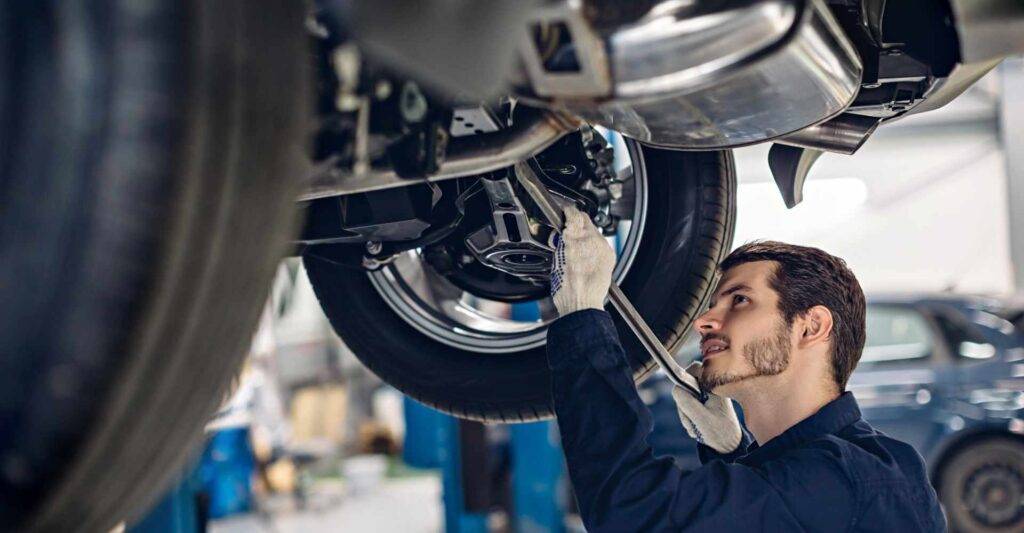
Older vehicles used mild steel that could be heated, pulled, and hammered back into shape. Body technicians routinely straightened bent rails and pillars with hydraulic pulling towers and oxyacetylene torches.
That approach doesn’t work on AHSS. Heat changes the steel’s microstructure and can strip away much of its strength, and the damage isn’t visible afterward. A rail that’s been heated and pulled straight can look correct yet fail to fold the way engineers intended in a later collision. Hyundai, like most automakers, prohibits heat-straightening on ultra high-strength structural parts.
Proper structural repair follows Hyundai’s published procedures:
- Squeeze-type resistance spot welding (STRSW): Where the procedure calls for spot welds, technicians replicate them with an inverter spot welder that matches factory weld spacing. Some joints call for MIG plug welds instead, and the procedure specifies which.
- Sectioning or replacement, not straightening: Kinked or torn structural parts are cut at Hyundai-approved locations or replaced entirely.
- Structural adhesives: Many joints combine welds with adhesive, so the right product, applied the right way, is part of the structure.
Our frame and structural repair page explains how this work is handled at Barry’s Paint Shop.
What Hyundai Certification Requires of a Repair Shop
A certification on the wall represents an ongoing investment in equipment, training, and documentation. Barry’s Paint Shop is a Hyundai Certified Collision Repair Facility, and that certification centers on three capabilities.
Computerized Measuring
Every Hyundai unibody has published dimensions. Certified facilities use electronic measuring systems that check dozens of reference points against Hyundai’s dimension data before, during, and after the repair. The goal is a structure back within factory tolerances, not “close enough.”
Current Hyundai Repair Procedures
Hyundai publishes body repair procedures covering approved sectioning locations, weld types, and adhesive specifications, and it updates them regularly. A certified shop pulls the current procedure for your exact model and year before work starts, instead of working from memory or a generic manual.
Trained Technicians
Barry’s Paint Shop holds I-CAR Gold Class recognition, a shop-level designation that requires technicians in each repair role to keep their training current. Alongside Hyundai, we’re certified by Ford, FCA (Chrysler, Dodge, Fiat, Jeep, Ram, SRT), GM (Chevrolet, Buick, GMC, Cadillac), Honda/Acura, Nissan, and Infiniti, and through Assured Performance Collision Care.
ADAS Calibration After a Hyundai Collision
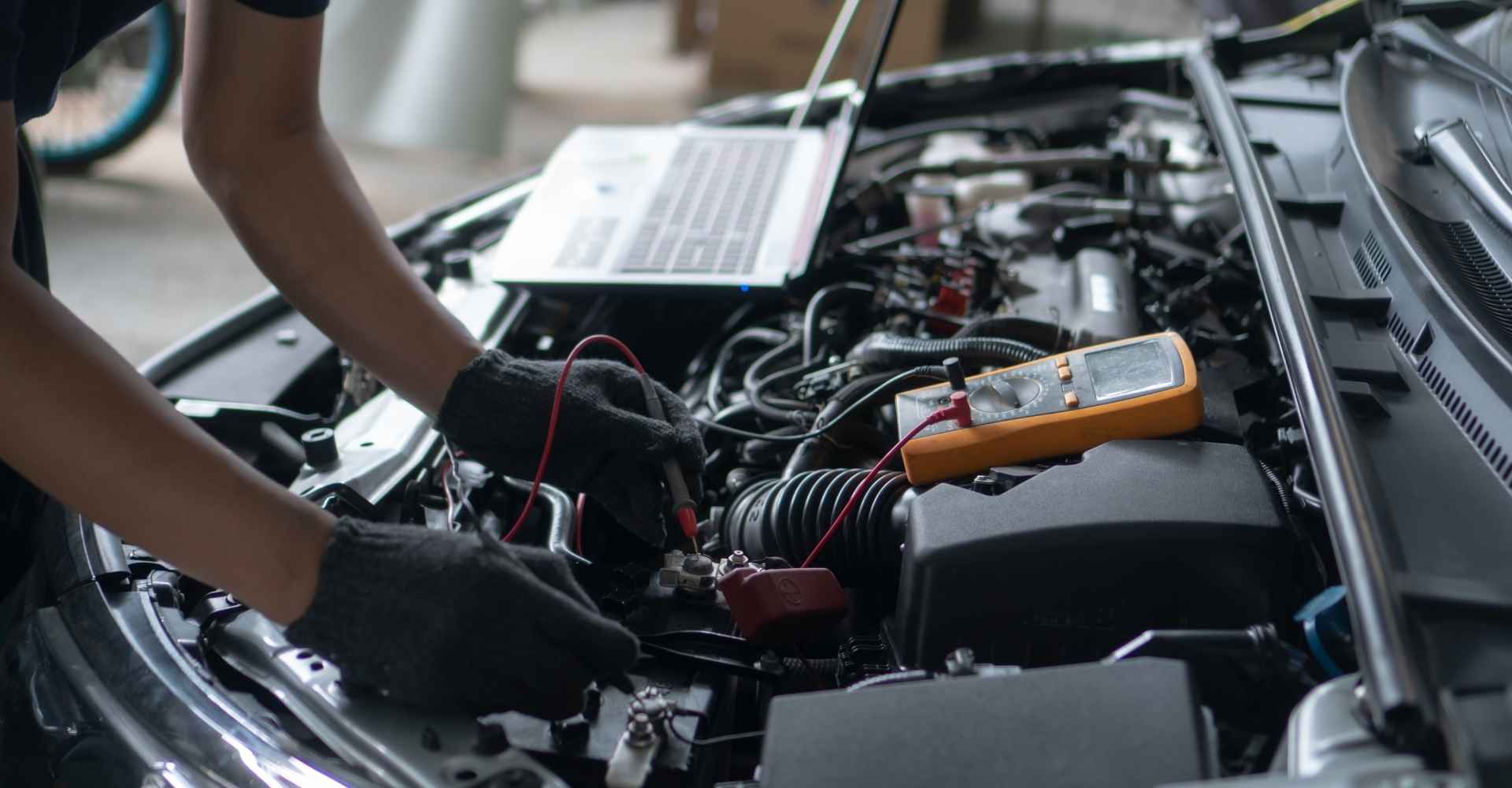
Hyundai SmartSense, the brand’s driver-assistance suite, relies on radar, forward cameras, and ultrasonic sensors. Depending on model and trim, those sensors run features such as:
- Forward Collision-Avoidance Assist (FCA)
- Lane Keeping Assist (LKA)
- Blind-Spot Collision-Avoidance Assist (BCA)
- Smart Cruise Control with Stop & Go (SCC)
Those sensors sit behind bumper covers, grilles, and the windshield, which are exactly the parts damaged in ordinary collisions. Small aiming errors grow with distance: a radar unit aimed just 1° off points about 9 feet to the side of its target at 500 feet, most of a highway lane. That can mean false alerts, unexpected braking, or a system that misses a real hazard.
Whether calibration is required depends on what was repaired and what Hyundai’s procedure calls for. Bumper, windshield, wheel alignment, and structural repairs frequently trigger one. A proper shop runs pre- and post-repair diagnostic scans and documents every calibration with a report.
What You Can Handle vs. When to Call a Pro
Knowing where cosmetic upkeep ends and structural safety begins helps you make better choices after an accident.
Tasks Most Vehicle Owners Can Do
- Light clear coat scuffs: Scratches that haven’t reached the primer can often be polished out with a dual-action polisher and finishing compound. Deeper scratches need professional auto painting.
- Regular winter washing: Rinsing off road salt and brine protects the clear coat and helps prevent rust at chips and panel edges.
Tasks for Confident DIYers
- Bolt-on trim: Non-electrical mirror caps and side moldings can usually be replaced with plastic trim tools.
- Basic headlight assemblies: Older halogen units without sensors or adaptive lighting can be swapped, but the new lamps must be aimed afterward.
When to Call a Professional
- Any airbag deployment or seatbelt pretensioner activation: Requires diagnostic scans, part replacement, and a structural inspection.
- Impacts that moved a panel: If the bumper, hood, quarter panel, or a door was pushed out of position, the structure behind it needs to be measured.
- ADAS warning lights or fault codes: These need factory-level scan tools and calibration equipment.
- Red flags requiring immediate professional attention: Uneven door or hood gaps, steering pull, new tire wear, a wrinkled trunk floor, or fluid leaks after a collision. If the car isn’t safe to drive, arrange 24-hour towing instead.
Common Collision Repair Mistakes to Avoid
1. Not Knowing You Can Choose Your Shop
What people do wrong: Assume they have to use whichever shop the insurer mentions first.
Why it’s a problem: The shop you choose determines whose procedures, parts, and equipment go into your car, so that decision should be yours.
The right approach: In Pennsylvania, your insurer can’t require repairs at a particular shop as a condition of paying your claim. Ask any shop you’re considering whether it’s Hyundai certified and follows Hyundai’s procedures.
2. Approving Heat-Straightened Structural Parts
What people do wrong: Sign an estimate without asking how structural damage will be repaired.
Why it’s a problem: Heat-straightened high-strength steel can look correct and still have lost much of its strength.
The right approach: Ask whether each structural repair follows Hyundai’s procedure and whether damaged parts will be sectioned or replaced.
3. Skipping Post-Repair Scans
What people do wrong: Pick up the car because it looks right.
Why it’s a problem: Sensor faults don’t always light up the dashboard, so a safety system can be offline without any warning.
The right approach: Ask for pre- and post-repair scan reports and any calibration documentation before you drive away.
Questions to Ask Before You Approve Repairs
Before signing a repair authorization, ask the estimator:
- “Are you Hyundai certified, and will you follow Hyundai’s repair procedures for my model year?” A certified shop can show you the procedure it’s working from.
- “How will structural damage be handled: sectioned, replaced, or straightened?” The answer should point back to Hyundai’s procedure.
- “What welding methods will you use?” It should match what the procedure specifies for each joint, usually squeeze-type resistance spot welding.
- “Will you calibrate the ADAS sensors, and will I get a report?” In-house or sublet, the calibration should be documented.
- “Will you use genuine Hyundai parts for structural and safety components?” These are the parts that manage crash energy and hold sensors in place.
Conclusion
Your Hyundai’s structure and safety systems were engineered to work together. Keeping them working after a collision comes down to two things: repairing the steel by Hyundai’s procedures, and confirming every sensor is calibrated before the car goes home.
You choose who repairs your car. Barry’s Paint Shop is a Hyundai Certified Collision Repair Facility in Ephrata, repairing vehicles across Lancaster County since 1975, and all body work is backed by a lifetime warranty. Call us at 717-733-6900 to schedule an estimate or talk through your claim before structural work begins.
Serving Ephrata, Stevens, Denver, Adamstown, Brownstown, Lititz, New Holland, Bowmansville, Reinholds, Reading, Terre Hill, Wernersville, Martindale, Reamstown, and the surrounding Lancaster and Berks County area.
Frequently Asked Questions
What does Hyundai certified collision repair mean?
It means the shop has been certified by Hyundai as having the equipment, training, and procedure access needed to repair Hyundai vehicles to factory specifications. That includes electronic measuring, approved welding equipment, and current Hyundai body repair procedures. Certification is kept through ongoing training and periodic review.
Can any body shop repair high-strength steel on a Hyundai?
Any shop can work on a Hyundai, but repairing high-strength structural steel correctly requires Hyundai’s current procedures and the right equipment. Ask how the shop will handle structural parts and whether it will follow Hyundai’s procedure for your model. Certification is one of the simplest ways to confirm a shop has the tools and training in place.
Can my insurance company make me use their preferred shop in Pennsylvania?
No. Pennsylvania law bars insurers from requiring repairs at a particular shop as a condition of paying a claim. Your insurer will still base payment on its appraisal of reasonable repair costs, so if estimates differ, talk with your shop and adjuster early.
How long does certified Hyundai collision repair take?
It depends on the damage, parts availability, and whether sensors need calibration. Cosmetic repairs can move quickly, while structural repairs take longer because they involve parts ordering, measuring, and calibration. A certified shop won’t skip those steps to save time.
Why does ADAS need calibration after a bumper or windshield replacement?
Hyundai’s radar and cameras sit behind the bumper, grille, and windshield, so removing or replacing those parts can change where the sensors point. Even a 1° change puts a radar about 9 feet off target at 500 feet. Calibration realigns the sensors to Hyundai’s specifications so features like automatic emergency braking react correctly.
Are genuine Hyundai parts better than aftermarket parts?
For structural and safety parts, yes. Genuine Hyundai parts match the original steel grade, thickness, and fit, which matters for crash performance and sensor mounting. Aftermarket parts can be reasonable for some cosmetic items, but not for parts that manage crash energy.
Can I get a rental car while my Hyundai is being repaired?
Yes. Barry’s Paint Shop keeps an on-site rental fleet and works with Kulp Car Rentals and Enterprise Rent-A-Car. Whether your insurance covers the rental depends on your policy, so check your rental reimbursement coverage when you file the claim. See rental and loaner vehicles for details.
Related Resources
- Frame & Structural Repair
- Rental & Loaner Vehicles
- 24-Hour Towing
- Our Complete List of Certifications
Sources:
- Hyundai collision repair position statements (Hyundai Tech Info) — prohibition on heat-straightening
- Pennsylvania Unfair Insurance Practices Act, 40 P.S. § 1171.5 — insurers may not require a particular repair shop as a condition of payment.
- Hyundai Steel