What Being a Ford-Certified Body Shop Means — and Why It Matters for Your F-150, Mustang, or Explorer
Being a Ford-Certified Body Shop means a shop has committed to Ford’s standards for collision repair, specifically for models like the F-150, Mustang, and Explorer. That certification signals trained technicians, the right tools, and access to Ford OEM parts — all of which help deliver safe, reliable repairs and a better ownership experience after a crash. Below, we’ll walk through what certification involves, why OEM parts matter, and how both affect repair quality and warranty protection for your Ford.
We’ll cover the certification requirements, the benefits of OEM components, model-specific repair considerations, and practical steps for scheduling an appointment at a certified shop near you in Pennsylvania.
Key Takeaways
- Ford-Certified Body Shops meet Ford’s strict standards for technician training, equipment, and repair procedures.
- Ford OEM parts fit like the originals and help preserve safety systems and vehicle performance after repairs.
- Certified repairs often include warranty coverage on workmanship and parts, protecting your investment.
- Technicians receive model-specific training to address the unique needs of the F-150, Mustang, and Explorer.
- F-150 repairs use aluminum-specific methods to protect structure and safety features.
- Mustang and Explorer repairs prioritize performance and safety through certified procedures.
- To schedule, contact the shop, share your vehicle details, and expect an initial damage inspection.
- Locate certified shops in Pennsylvania via online searches, directories, or personal recommendations.
- Collision appointments typically include an inspection, repair plan, use of OEM parts, and final quality checks.
What Is a Ford-Certified Body Shop?
A Ford-Certified Body Shop is a collision repair facility that has been evaluated and approved by Ford Motor Company. Certification verifies the shop has the right equipment, trained staff, and processes to repair Ford vehicles to factory-aligned standards. That means repairs are done following Ford’s procedures and with access to genuine Ford parts.
Choosing a Ford-Certified Body Shop gives you confidence that the people working on your vehicle understand Ford-specific construction and safety systems. If you want your Ford returned to its original condition, booking time with a certified shop is a smart, practical step.
Why Choose Ford OEM Parts for Your Collision Repair?
Using Ford OEM (Original Equipment Manufacturer) parts helps keep your vehicle performing and protecting you as it was designed to do. OEM parts are engineered to the same specs as the originals, so they fit and function correctly — especially for safety-critical items like airbags, sensors, and structural components.
- Vehicle Performance: OEM parts restore factory fit and function, so your Ford drives the way it was built to drive.
- Safety Considerations: Genuine parts help ensure safety systems work properly in future incidents.
- Warranty Implications: Repairs using OEM parts are more likely to be covered under warranties, giving you added protection.
When a Ford-Certified Body Shop uses OEM parts, you’re more likely to get a repair that preserves fit, finish, and safety — and matches the durability of the original build.
How Does Ford Certification Affect Repair Quality and Warranty?
Ford certification matters because it ties training, procedures, and parts together under a single standard. Certified shops follow Ford’s repair methods, keep up with recurring evaluations, and invest in training and tooling to meet those expectations.
- Standards and Training: Certified technicians complete Ford-specific training so they know current repair techniques and factory specifications.
- Repair Quality Assurance: Following Ford procedures and using OEM parts improves the chances that repairs are completed correctly the first time.
- Warranty Protection: Repairs at certified shops commonly include workmanship warranties and may maintain or support parts warranties, helping you avoid unexpected costs.
Training + procedures + OEM parts = repairs you can trust over the long term.
What Warranty Coverage Comes with Ford-Certified Repairs?
Choosing a Ford-Certified Body Shop typically brings stronger warranty protection. While specific terms vary by shop, you can generally expect:
- Lifetime Warranty: Many certified shops back their workmanship with a lifetime warranty on repairs they perform.
- Parts Warranty: OEM parts usually carry their own manufacturer warranties for added assurance.
- Coverage Specifics: Always confirm exact warranty terms, including any exclusions or time limits, before work begins.
Knowing the warranty details up front helps protect your vehicle and gives you clear recourse if anything related to the repair shows up later.
What Are the Vehicle-Specific Repair Considerations for F-150, Mustang, and Explorer?
Each Ford model has its own construction and safety priorities. Ford-Certified Body Shops are trained to address those model-specific needs, so repairs restore safety and performance.
How Are Collision Repairs Tailored for the Ford F-150?
The F-150’s lightweight, aluminum structure requires particular care. Repairs for this truck focus on:
- Military-Grade Aluminum: Aluminum panels and components need repair methods and tools designed for metal that behaves differently than steel.
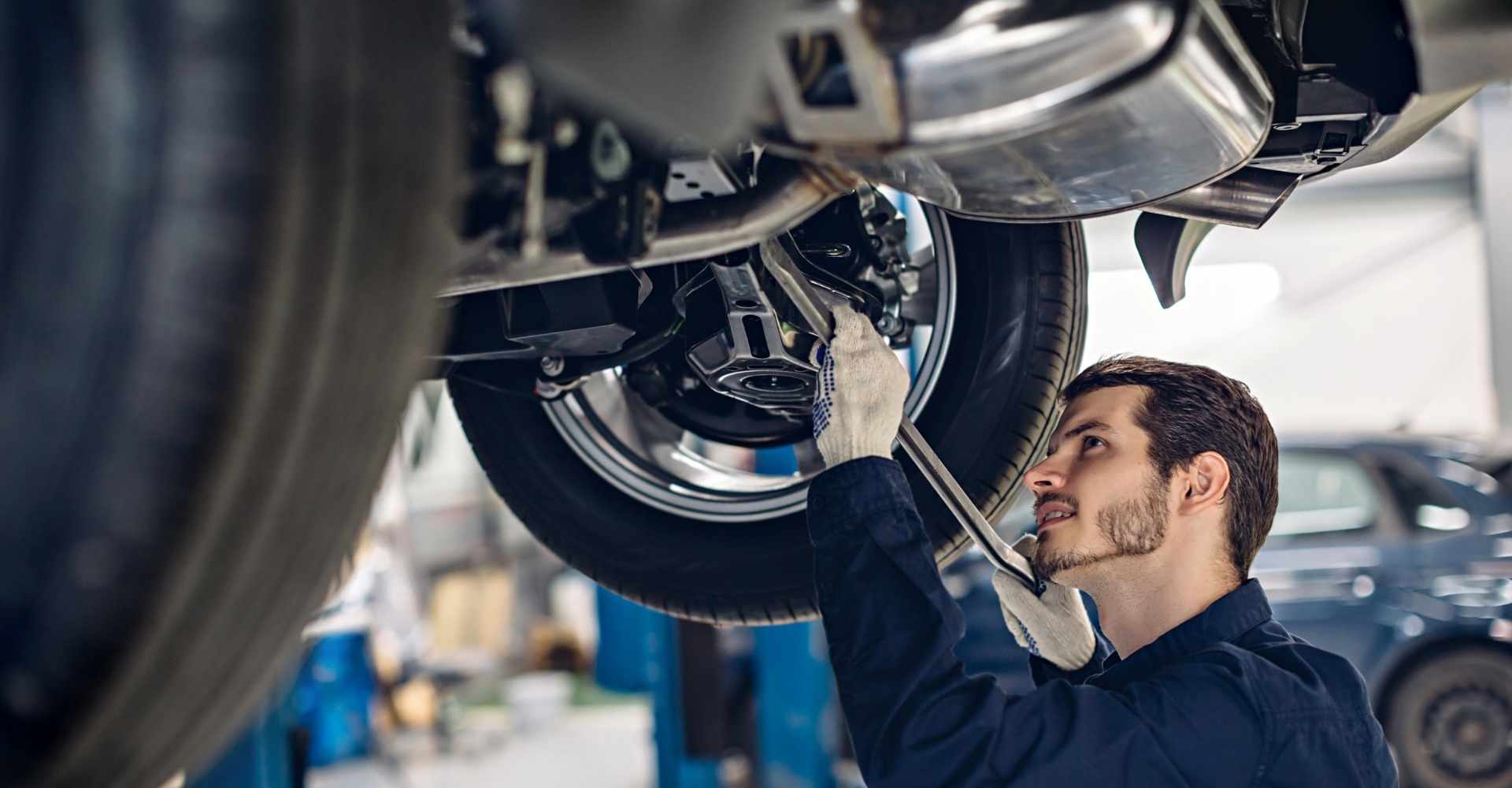
- Specialized Training for Technicians: Technicians trained in aluminum repair techniques preserve structural integrity and safety systems.
Using the correct aluminum-specific processes helps keep the F-150 safe and roadworthy after a collision.
What Makes Mustang and Explorer Repairs Unique at Certified Shops?
Mustangs and Explorers each bring distinct priorities to repair work. For the Mustang, performance and fit-and-finish matter; for the Explorer, safety systems and occupant protection take center stage.
- Differences in Repair Processes: Each model has unique components and calibration needs that require model-aware repair procedures.
- Importance of Certified Techniques: Certified methods help avoid compromises to performance, safety, or factory fit.
Certified shops follow the correct procedures, so both performance- and family-oriented models come back right.
How Can You Schedule an Appointment or Request an Estimate at a Ford-Certified Body Shop?
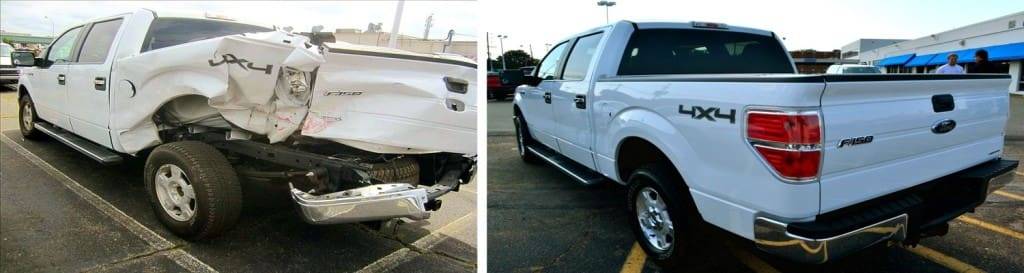
Scheduling an appointment is simple. Follow these steps to get started:
- Contact the Shop: Call or use the shop’s website to ask about availability and services.
- Documentation Needed: Have your vehicle information, insurance details, and a description of the damage ready.
- Inspection Process: The shop will perform an initial inspection to assess damage and prepare an estimate and repair plan.
Clear communication up front makes the repair process smoother and helps set expectations around timeline and cost.
Where to Find a Ford Body Shop Near Me in Pennsylvania?
Finding a certified shop in Pennsylvania is straightforward. Try these approaches:
- Online Search: Search “Ford-Certified Body Shop near me” or use Ford’s shop locator for official listings.
- Local Directories: Check local business listings and review sites for nearby certified facilities.
- Ask for Recommendations: Word-of-mouth from friends and family who own Fords can point you to trusted shops.
Using these channels will help you locate a reputable certified repair facility close to home.
What to Expect During Your Collision Repair Appointment?
At your appointment, the process is methodical and transparent. Expect the following:
- Initial Inspection Process: A technician inspects the damage, documents findings, and explains the repair plan.
- Repair Process Overview: You’ll get an overview of the steps, timeline, and parts to be used — including OEM components when applicable.
- Quality Assurance Measures: After repair, the vehicle goes through checks to ensure work meets Ford-aligned standards.
Knowing the sequence ahead of time reduces surprises and keeps the repair moving efficiently.
Frequently Asked Questions
What are the benefits of choosing a Ford-Certified Body Shop over a non-certified shop?
A Ford-Certified Body Shop provides trained technicians, factory-approved procedures, and access to OEM parts — which together improve repair accuracy, safety, and long-term performance. Certified shops also typically offer warranties on their work and parts, giving you added protection and confidence in the repair outcome.
How can I verify if a body shop is Ford-certified?
You can confirm certification by using Ford’s official shop locator, checking the shop’s website, or asking the shop to show proof of certification. Reputable certified shops are transparent about credentials and can point you to documentation or a listing on Ford’s site.
Are there any specific maintenance tips for Ford vehicles after collision repairs?
After repairs, routinely inspect repaired areas for paint, alignment, or fit issues, and follow your vehicle’s recommended service schedule for oil, tires, and other maintenance. Scheduling a follow-up with the repair shop can help address any settling or minor issues that appear after some miles on the road.
What should I do if I experience issues after repairs at a certified shop?
If problems appear after the repair, contact the shop right away and provide photos and descriptions of the issue. Most certified shops honor workmanship warranties and will correct covered issues. If the shop is unresponsive, you can escalate the matter to Ford customer service for additional guidance.
How do insurance companies view repairs done at Ford-Certified Body Shops?
Insurers often view certified repairs positively because certification indicates consistent training, documented procedures, and the use of OEM parts. That can simplify claims handling and give insurers confidence in the repair outcome — though coverage details still depend on your policy.
Can I use aftermarket parts in a Ford-Certified Body Shop?
Certified shops primarily use OEM parts, but some may offer aftermarket options if you request them. Be aware that aftermarket parts can affect warranty coverage and may not match the fit or safety performance of OEM components. Discuss the trade-offs with the shop before approving non-OEM parts.
Conclusion
Choosing a Ford-Certified Body Shop gives you trained technicians, Ford-approved procedures, and access to OEM parts — all designed to restore safety, performance, and value to your F-150, Mustang, or Explorer. With warranty protection and model-specific expertise, a certified repair is a practical way to protect your investment and your peace of mind. Locate a certified body shop in Pennsylvania, like Barry’s Paint Shop, today to get started.