Frequently Asked Questions
What certification for business collision repair?
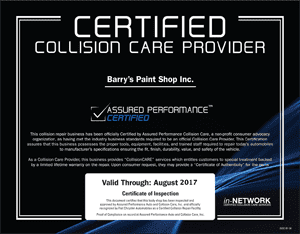
The Assured Performance certification program is the leading certification for collision repair businesses that meet specific standards set by leading automakers to ensure quality repairs.
How body shop techs become oem certified?
Body shop technicians can become OEM certified by completing specialized training programs and meeting specific requirements set by the automotive manufacturers.
How to become an oem certified body shop?
To become an OEM certified body shop, the key requirements are having the proper tools, equipment, and training to meet the specific standards set by the automaker certification program. This ensures the ability to perform quality repairs to manufacturer specifications.
What are the steps for collision repair certification?
The steps for collision repair certification involve meeting specific standards set by automotive brands, such as having the right tools, equipment, and training to ensure quality repairs.
How can a body shop achieve OEM certification?
To achieve OEM certification, a body shop must meet specific standards set by leading automakers, including having the right tools, equipment, and trained technicians to ensure quality repairs and customer satisfaction.
What training is required for collision repair certification?
The training required for collision repair certification includes completing manufacturer-specific training, achieving I-CAR Gold Class recognition, and maintaining ongoing education to ensure adherence to industry standards and best practices.
What benefits come with OEM certification for shops?
OEM certification for body shops ensures adherence to manufacturer repair standards, access to OEM repair information, and recognition as a trusted repair provider, thereby enhancing customer confidence and satisfaction.
How long does it take to become OEM certified?
Becoming OEM certified typically takes several months as it involves meeting strict requirements set by the automaker, including facility upgrades, tool and equipment procurement, and technician training.
What standards must be met for collision repair certification?
To be certified for collision repair, a body shop must meet specific standards set by automotive manufacturers, including having the right tools, equipment, and technicians trained to manufacturer specifications.
Are there costs associated with becoming OEM certified?
There are costs associated with becoming OEM certified, such as the certification fees and the investment required to meet the necessary standards and requirements set by the automakers.
How often do certifications need to be renewed?
Certifications typically need to be renewed annually to ensure the body shop maintains the required standards set by the certification program.
What organizations offer collision repair certifications?
Several organizations offer collision repair certifications, including Assured Performance, I-CAR, and individual automaker certification programs like those from Ford, GM, and Toyota.
How does OEM certification impact customer trust?
OEM certification demonstrates to customers that the body shop has the necessary training, equipment, and expertise to properly repair their vehicle to manufacturer specifications, which can significantly enhance customer trust.
What skills are essential for certified body shop technicians?
Certified body shop technicians require specialized skills such as proficiency in vehicle diagnostics, precision repairs, and use of advanced tools and equipment to ensure vehicles are restored to manufacturer specifications.
How can shops prepare for certification inspections?
To prepare for certification inspections, shops should ensure they have the necessary tools, equipment, and training to meet the specific standards set by the certification program.
What documentation is needed for collision repair certification?
To obtain collision repair certification, body shops must provide documentation demonstrating their compliance with specific industry standards and requirements set by certification programs.
How does OEM certification affect insurance claims?
OEM certification can positively impact insurance claims by demonstrating that the vehicle has been repaired to the manufacturer's standards, which can lead to faster approval and processing of claims.
What are common challenges in obtaining OEM certification?
The common challenges in obtaining OEM certification include meeting the stringent requirements for tools, equipment, and training necessary to perform quality repairs to manufacturer specifications.
How can technicians stay updated on certification requirements?
Technicians can stay updated on certification requirements by regularly checking the certification provider's website, attending training sessions, and participating in industry forums or webinars to keep informed about any changes or new requirements.
What role does training play in collision repair certification?
Proper training is essential for collision repair certification, as it ensures technicians have the knowledge and skills to perform quality repairs that meet manufacturer specifications and safety standards.
How can a shop market its OEM certification?
A shop can market its OEM certification by prominently displaying the certifications on its website, in its marketing materials, and in its physical location to highlight its expertise and commitment to quality repairs.
What is the process for verifying OEM certification?
The process for verifying OEM certification involves ensuring that the body shop meets the specific standards and requirements set by the automakers to earn their certification.
How do customer reviews influence certification success?
Customer reviews play a significant role in the success of certifications, as they provide valuable feedback on the quality of repairs and customer satisfaction, which are crucial factors in maintaining certification standards.
What equipment is necessary for certified collision repair?
Certified collision repair requires specialized equipment such as frame alignment systems, paint mixing and matching tools, and dent repair tools to ensure repairs meet manufacturer standards and safety requirements.
How can shops improve their chances of certification?
To improve their chances of certification, shops should ensure they have the right tools, equipment, and training to meet the specific standards set by the certification program.
What are the consequences of not being certified?
Not being certified can result in vehicles not being repaired to manufacturer specifications, potentially compromising safety and quality. This can lead to customer dissatisfaction, loss of business, and the inability to work with certain automakers.
How does OEM certification enhance repair quality?
OEM certification ensures that certified body shops have the necessary tools, equipment, and training to properly repair vehicles according to the manufacturer's specifications, thereby enhancing the quality and safety of the repairs.
What are the differences between OEM and non-OEM certifications?
The differences between OEM and non-OEM certifications are that OEM certifications are granted by the original equipment manufacturer, while non-OEM certifications are awarded by third-party organizations that are not affiliated with the vehicle manufacturer.
How can body shop techs gain hands-on experience?
Body shop technicians can gain hands-on experience through apprenticeship programs, on-the-job training, and attending technical workshops or certification courses offered by industry organizations or automakers.
What resources are available for certification preparation?
Resources available for certification preparation include training programs, online courses, and manuals provided by the certification body. These resources help ensure body shops meet the required standards and specifications.